


The Hearth Summit is a gathering shaped by the belief that transformation begins within. It brings together leaders and changemakers from around the world to reconnect with their inner landscape and reclaim a sense of wholeness.
The Hearth Summit is an international convening designed to spark social transformation by placing wellbeing at the center, hosted by The Wellbeing Project. Since the first global summit in 2022, more than 20 Regional Hearth Summits have been held, drawing participants from over 90 countries.
The summit marks a shift from traditional problem-solving approaches toward a model of collective transformation—supporting change across three interconnected layers of wellbeing: individual, collective, and ecological. Through a blend of research, practice, and cross-sector collaboration, the summit aims to cultivate new cultural foundations for connection beyond division.
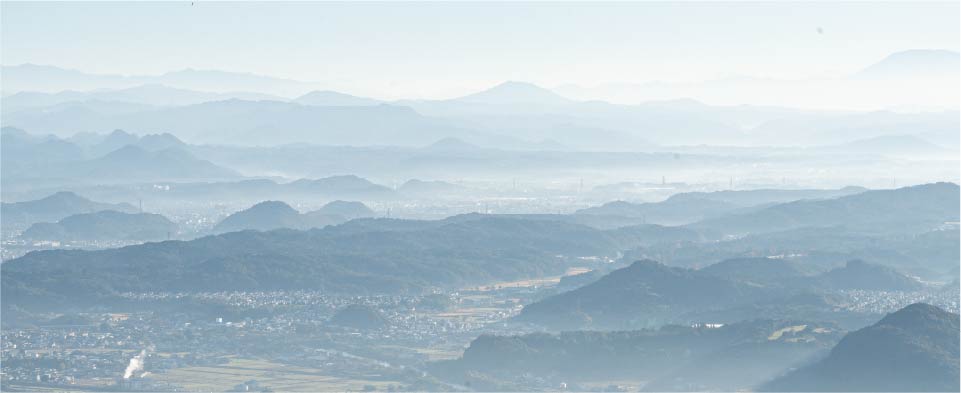
Hearth Summit Gifu 2026 will offer a 4day program combining a city-based conference followed by a retreat in the Nagara River watershed. Through dialogue, embodied practices, and encounters with the regenerative spirit of the land, participants will explore the “shadowed” resources hidden within pain, stagnation, and memory—and draw from them new currents of hope and renewal. Our intention is to build a foundation for both inner transformation and systemic change.